
Root
Exploring virtual environments and self-identity
Designing a better way to represent ourselves across digital spaces
A Master's Degree thesis exploring how digital environments affect identity, behaviour, and self-representation.
Problem Understanding
There is a discrepancy between the theory of the metaverse and its reality: multiple virtual environments compete without providing a unified space for our digital identities.
This problem highlights the broader issue of self-representation in the digital world and the need for a better solution for digital identity management that promotes privacy, digital equality, and freedom of representation.
Scenario
The market recognises the problem of connecting digital platforms and the need to map the digital footprint. Still, it acts only on the linking issue without reflecting on the identity aspect behind the accounts.

Goal
Understand self-representation and identity and explore whether there is a space for designing a better digital self-representation solution in the crowded world of virtual environments.

Research Question
How do virtual environments impact self-identity and behaviour, and how can this inform the design of interventions for an improved experience in digital identities?
- Meet individuals' basic needs for them to fully develop their identity. (Maslow, 1968)
- Acting on identity impacts individuals at different stages of life, with a particular focus on adolescence. (Erikson, 1968)
- Philosophy emphasises the need to foster psychological connections among people and to promote long-term well-being. (Parfit, 1984)
- Adopt a positive humanistic psychological approach — self-concept theory, self-esteem, group membership, and personal characteristics are crucial components of self-identity. (Kožnjak, 2016; Lewis, 1990; Rodrigues et al., 2015; Rogers, 1946)
- Modern literature notes the potential for stereotyping, privacy concerns, and digital inequalities and emphasises the need for inclusivity and accessibility. (Robinson, 2017; Hochschild, 1979)
Primary Research
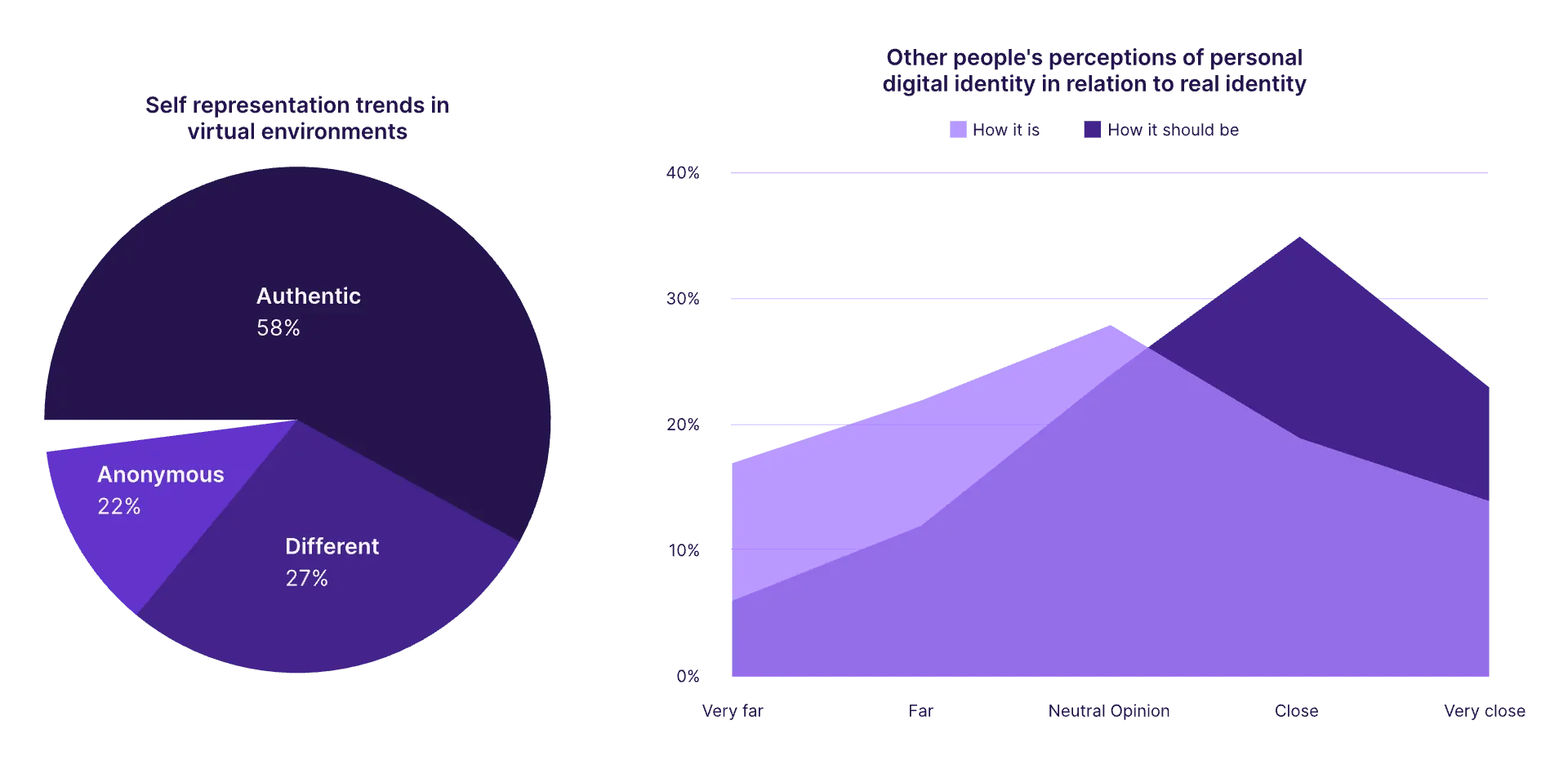
The survey and interviews underline the importance of people being perceived as they are in real life. This is considered a possibility but should not limit people's expression.
Relevant Considerations
Working with virtual identities can support personal growth. However, external judgement can also have a damaging impact on self-representation and identity.
It is crucial to develop a system that ensures freedom of expression, protection, and the absence of stereotyping. Consider roles, groups, and values to avoid discrimination and bias while creating a sense of community.
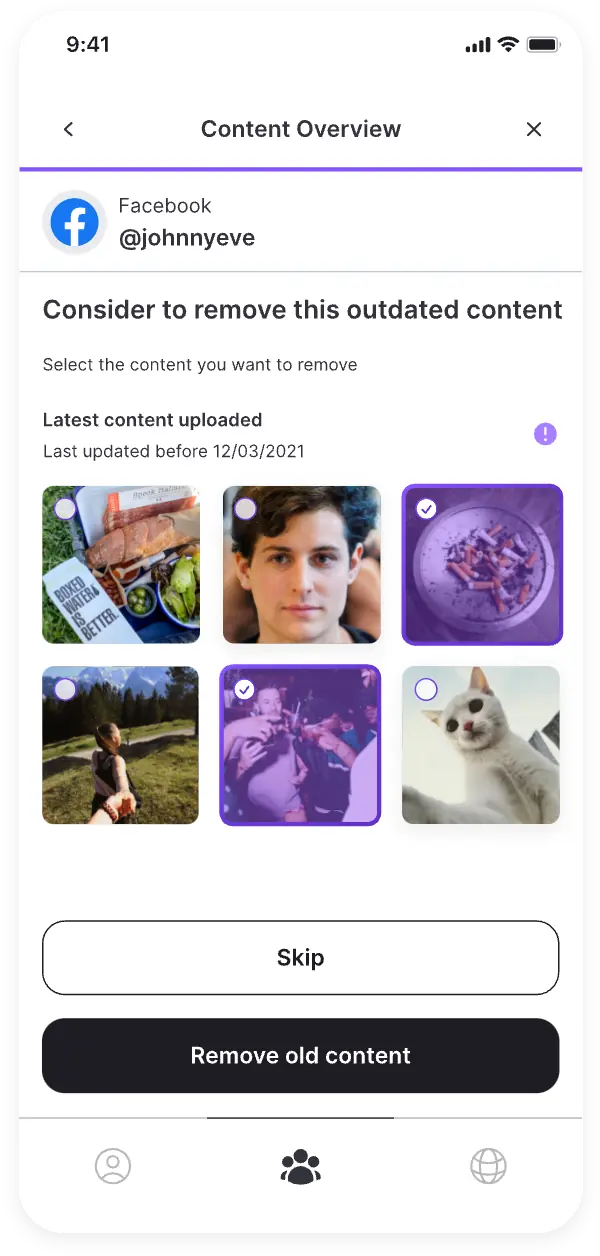
It is also essential to respect privacy and design environments that allow better privacy management, respecting private spaces, and managing old content.
Concept
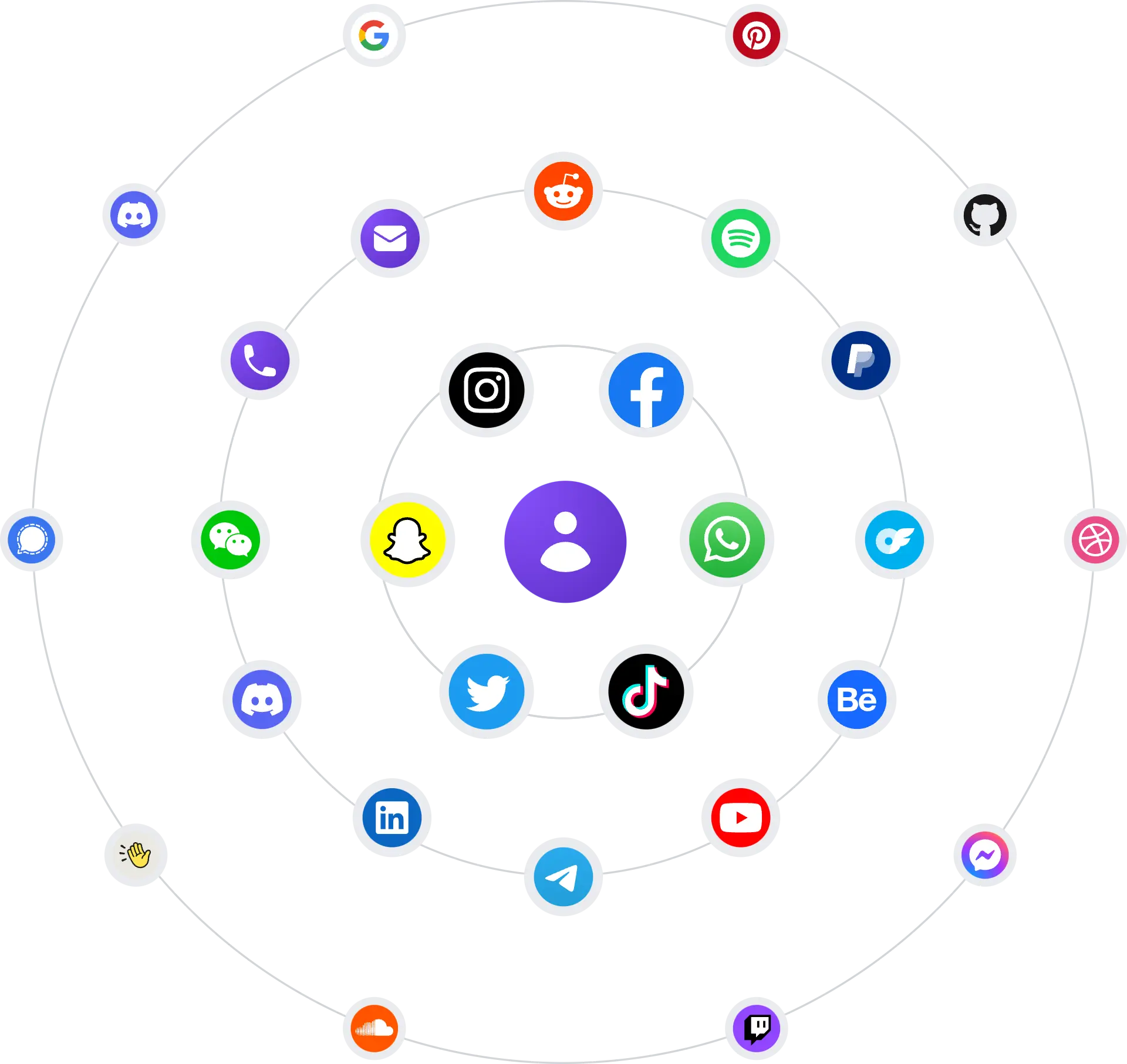
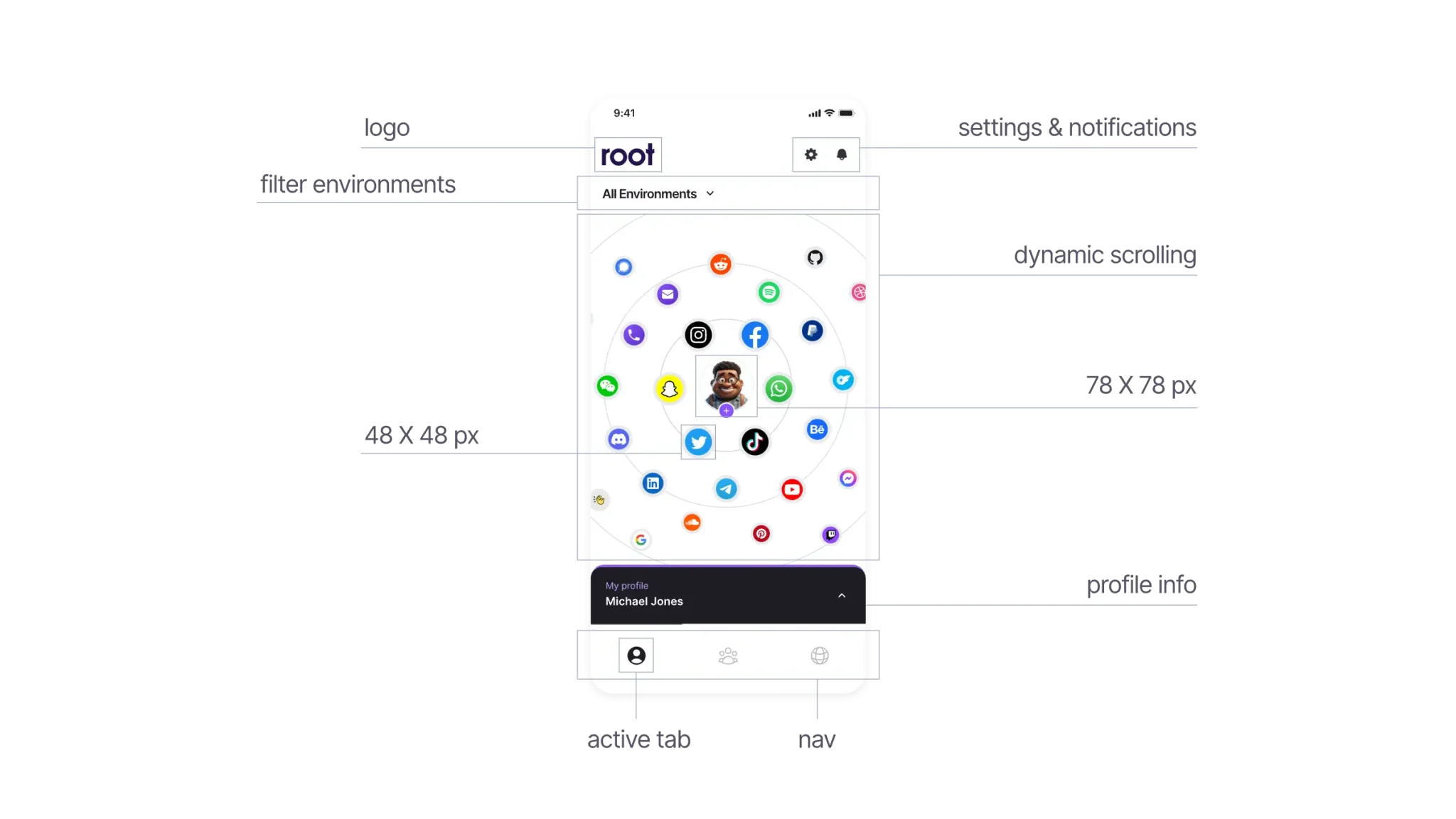
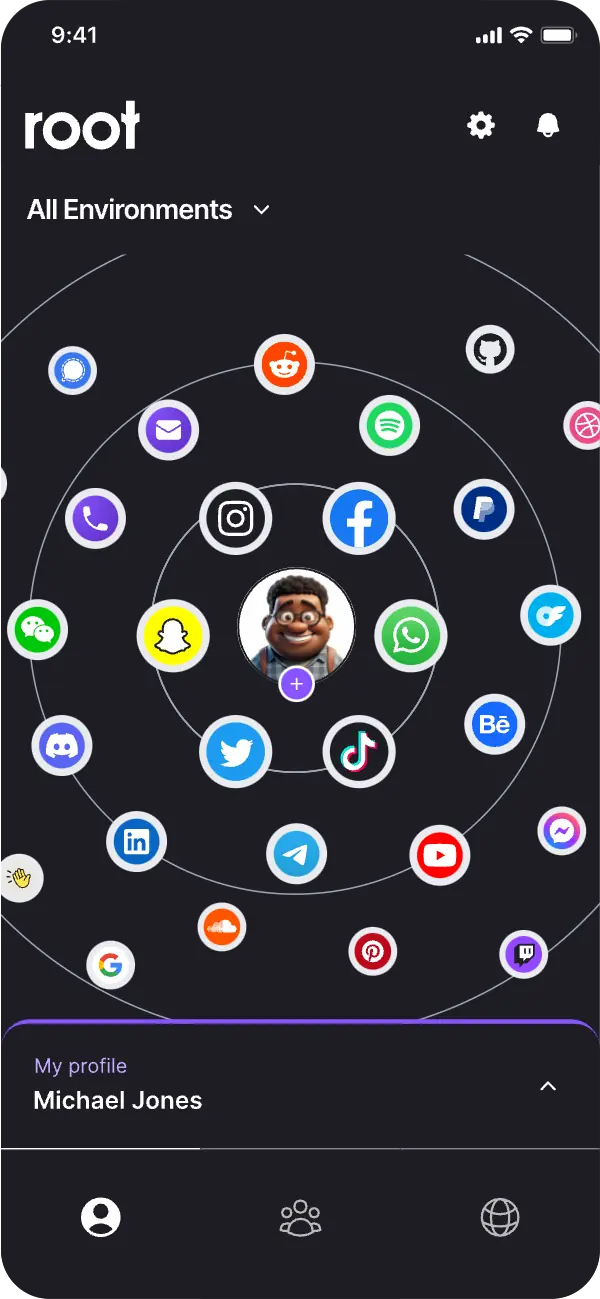
A connector for virtual environments, designed to support a more authentic and balanced digital life.
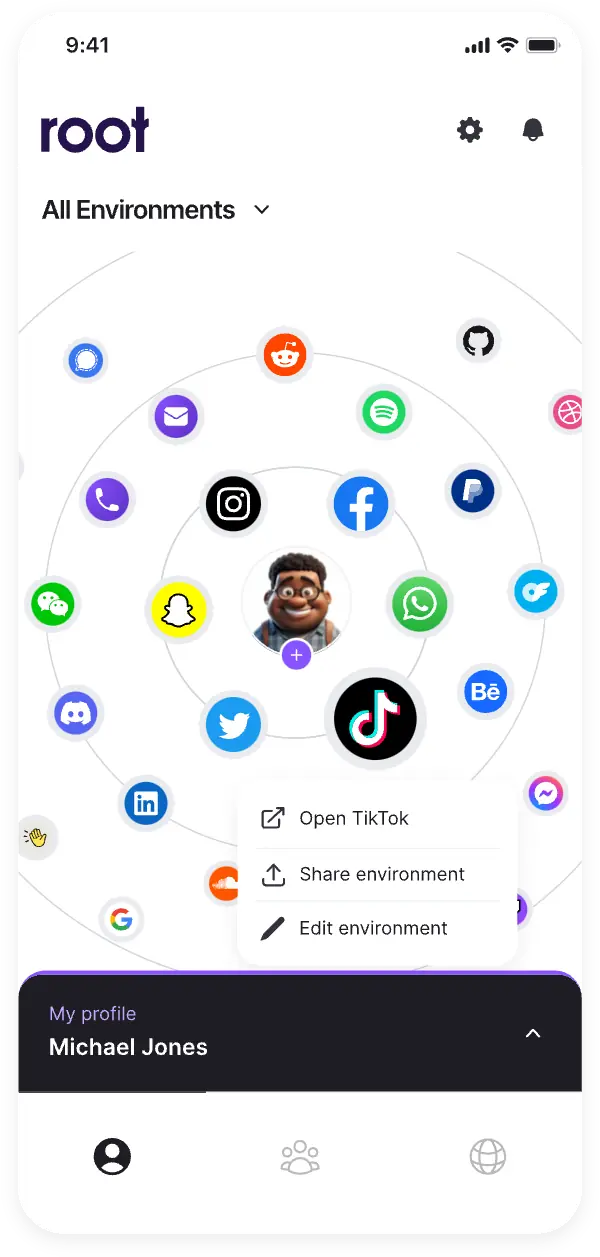
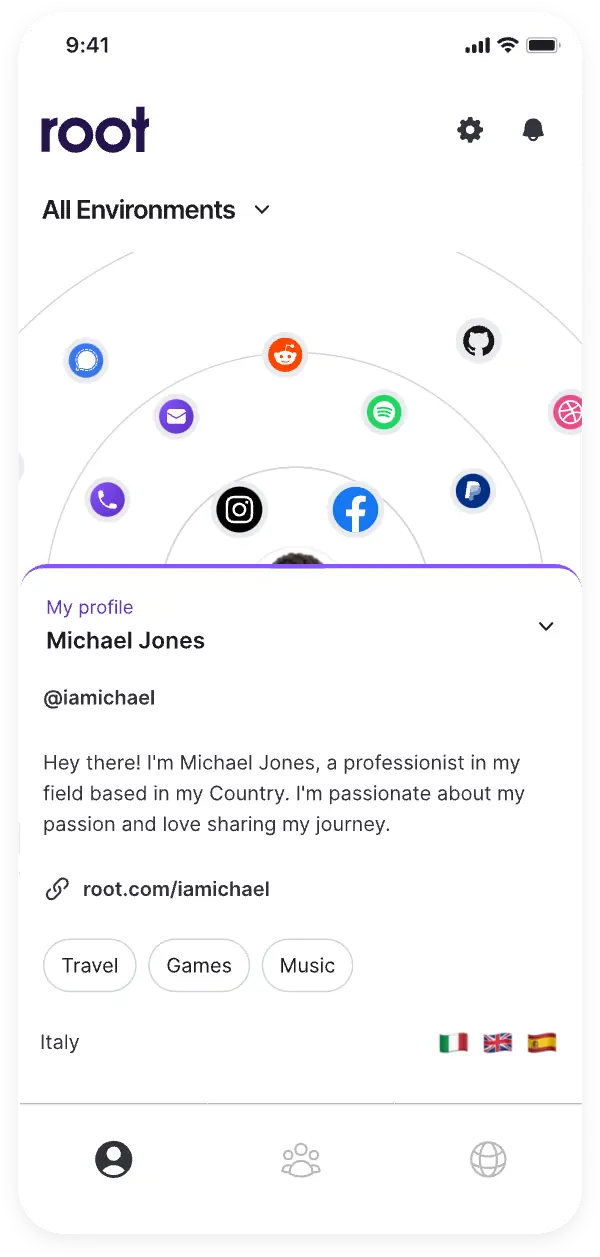
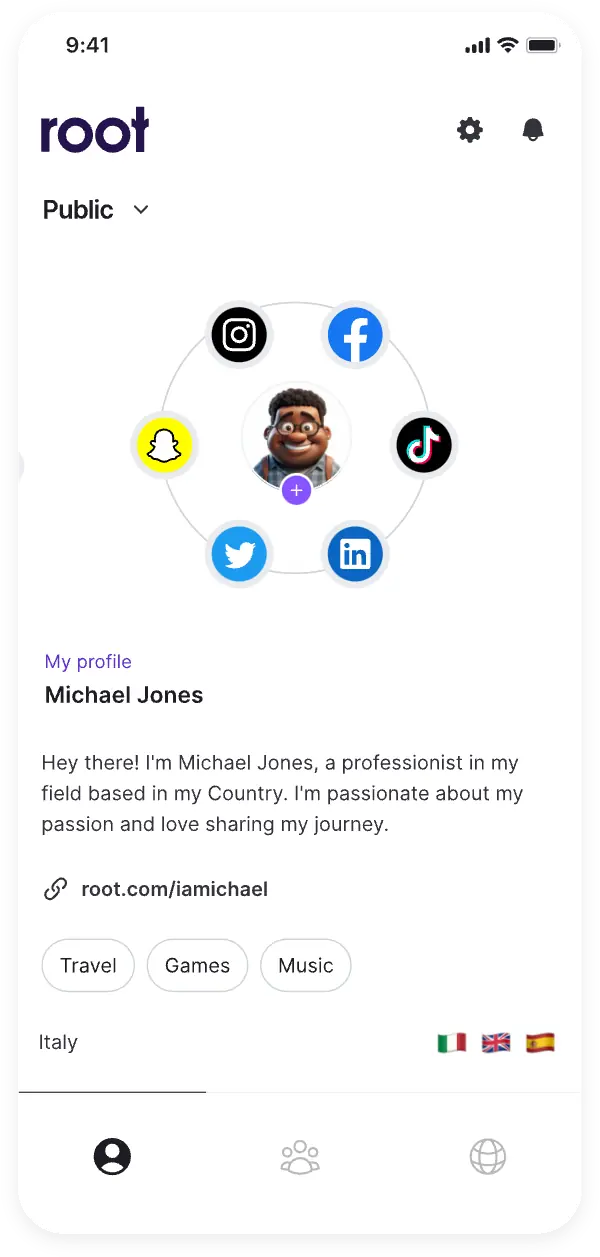
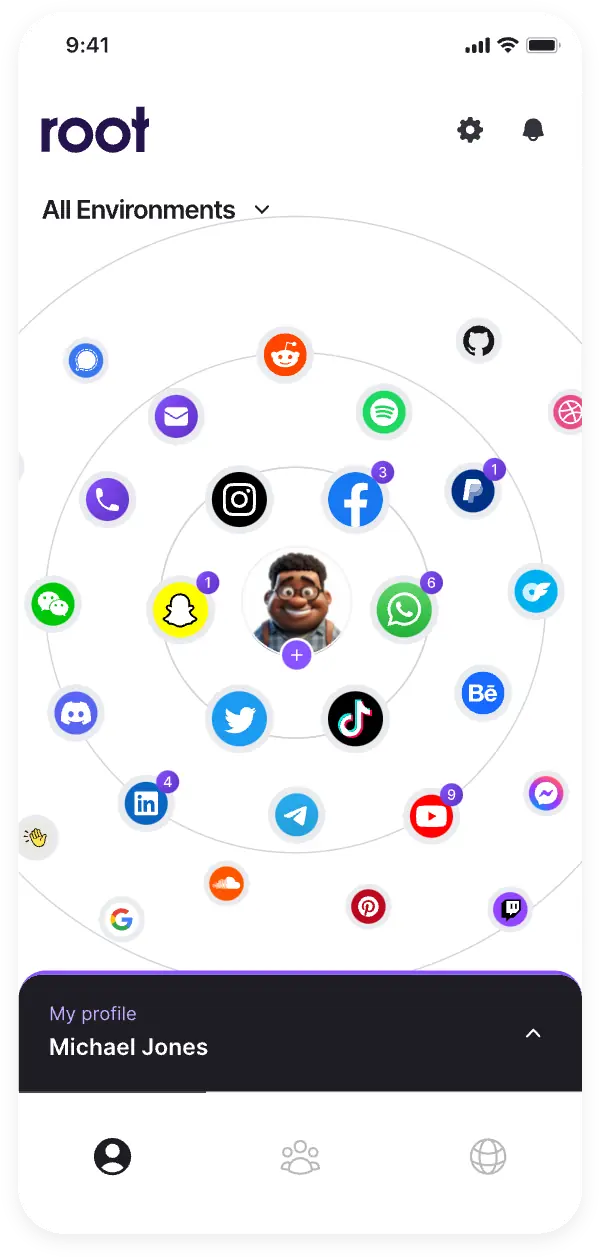
Avatar
Focus: authentic representation of the self. Tests generated a debate regarding the limitation on uploading photos, but they positively validate the benefits of avoiding discrimination and freedom of representation.
The look can be declined in different avatars. People prefer to resemble their authentic selves, with enhanced attractiveness. Users tend to be consistent with their offline identity while occasionally creating a platform-specific self-representation. (Freeman & Maloney, 2021; Messinger et al., 2018; Morgan et al., 2020)
Different bios, names, passions and pronouns
Test suggests the ability to add pronouns to address sensitivity issues. Users positively reviewed the ability to appear in different ways and consider adding a link to support people.
Personalisation and a more diverse range of customisable pronouns and identities outside the binary are crucial for reflecting and solidifying gender identity through avatars. (Freeman & Maloney, 2021; Messinger et al., 2018; Morgan et al., 2020)
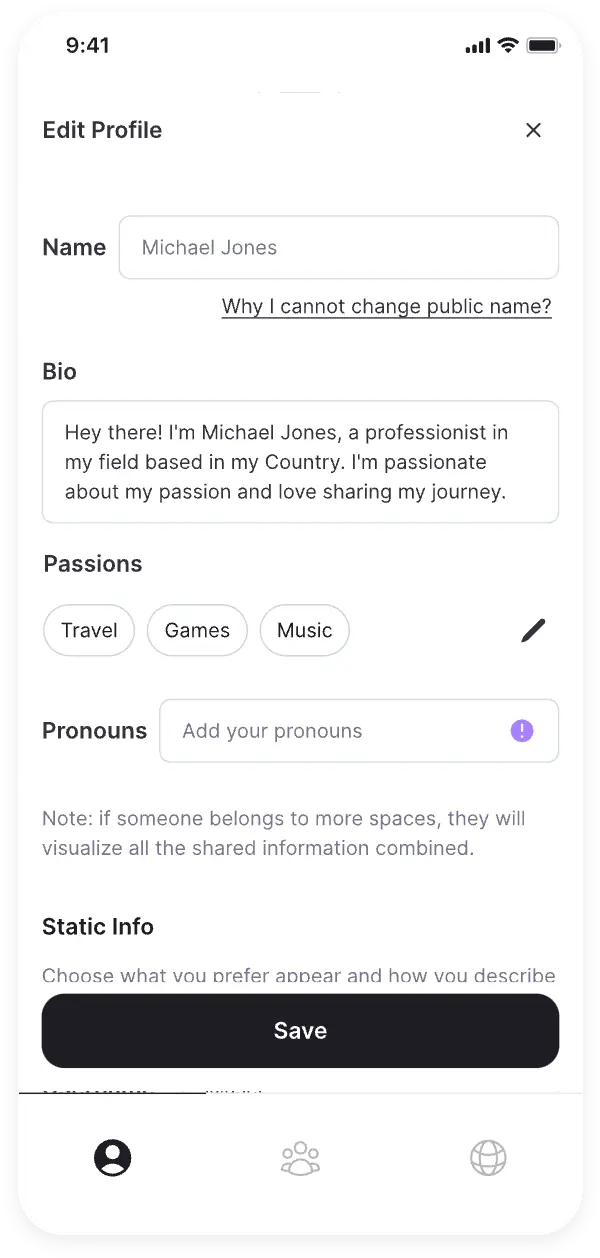
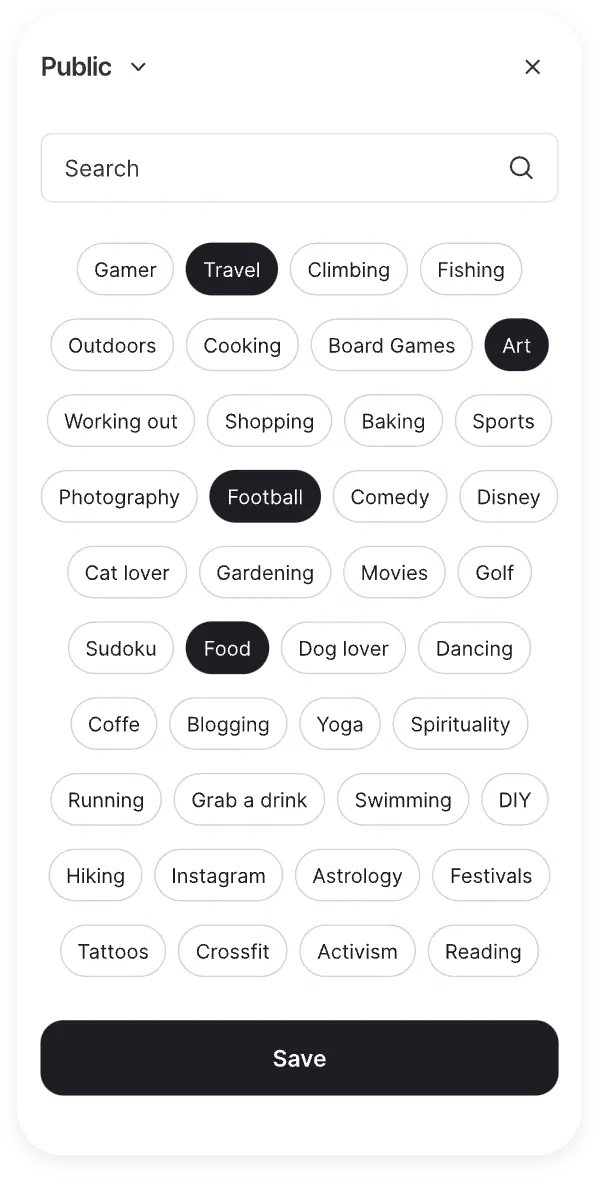
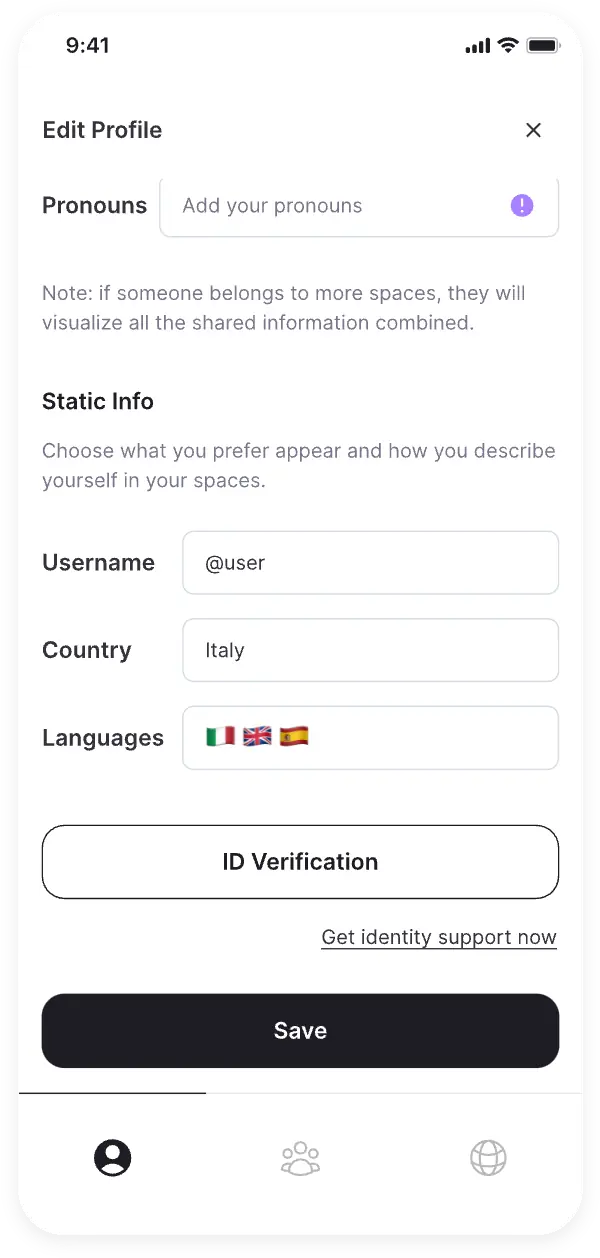
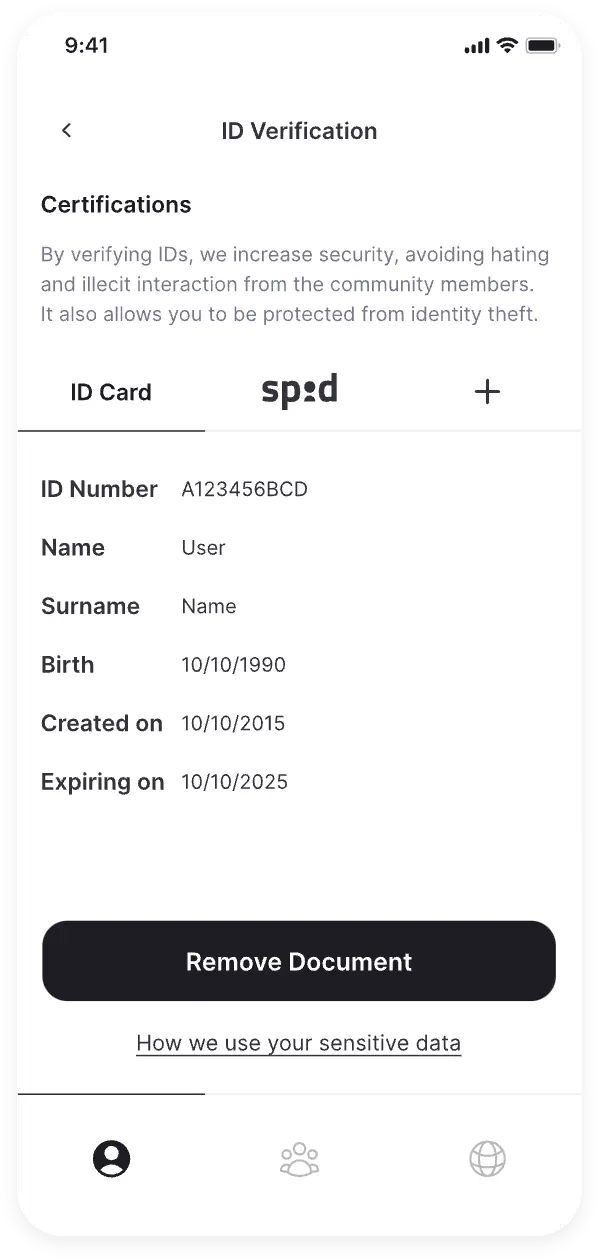
Ensure freedom of representation
Users with a technical background saw it as proof of extreme safety for the entire service, while those with a more superficial knowledge of privacy expressed skepticism. Users accepted that the service could be used without certification, with some limitations.
Users are becoming more aware of their privacy settings and taking active steps. Privacy control significantly affects social privacy concerns. There is a growing need to focus on privacy implications in mobile apps, to practice transparency and provide adequate protecting measures. (Freeman & Maloney, 2021; Messinger et al., 2018; Morgan et al., 2020)
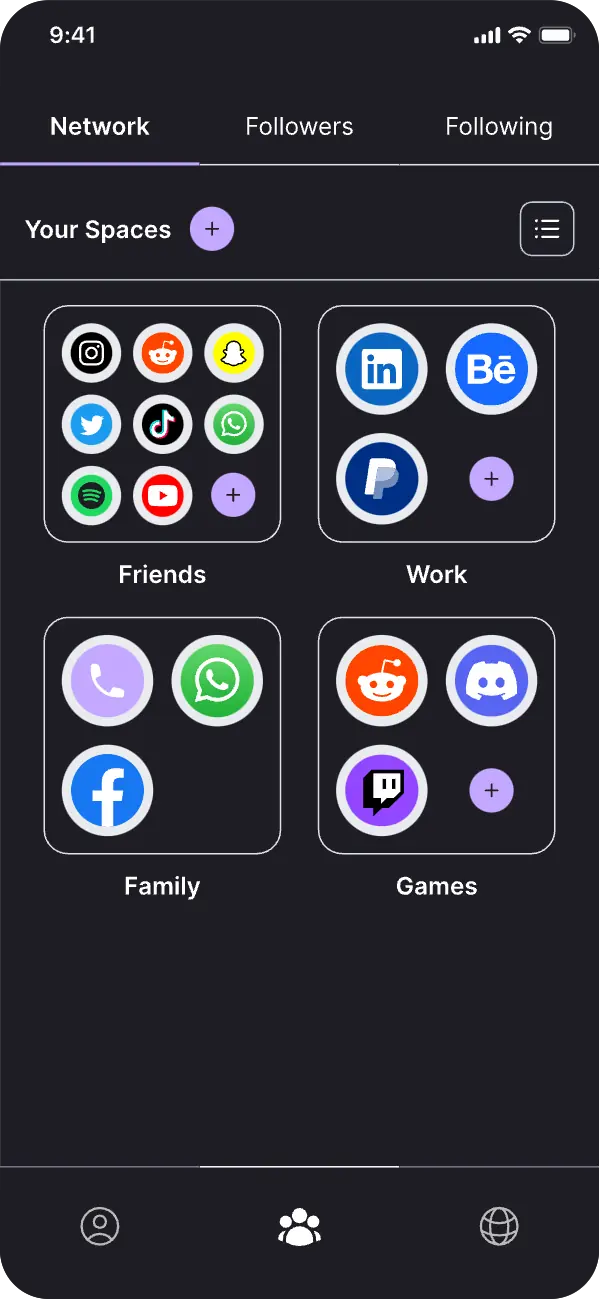
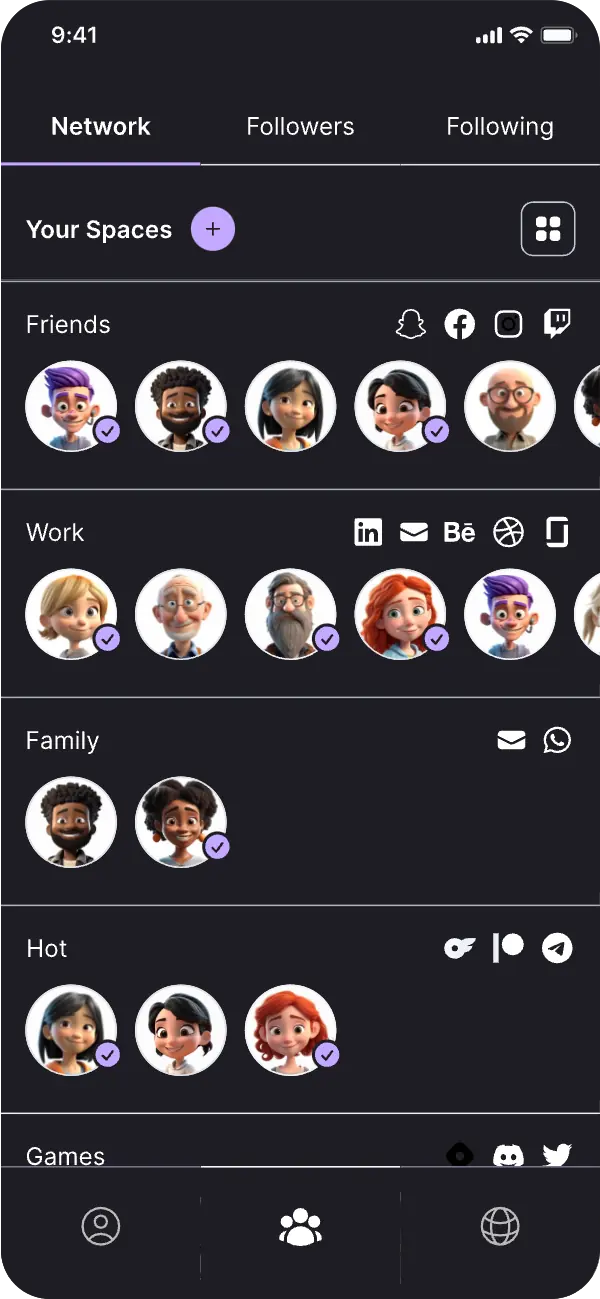
Creation and Management of Social Groups
Add people, share different info and platforms, represent as you are.
Users appreciated the ability to see shared platforms and switch between group views. They suggested adding filters and making it easier to find people, improving the quality of interactions.
Connections Management
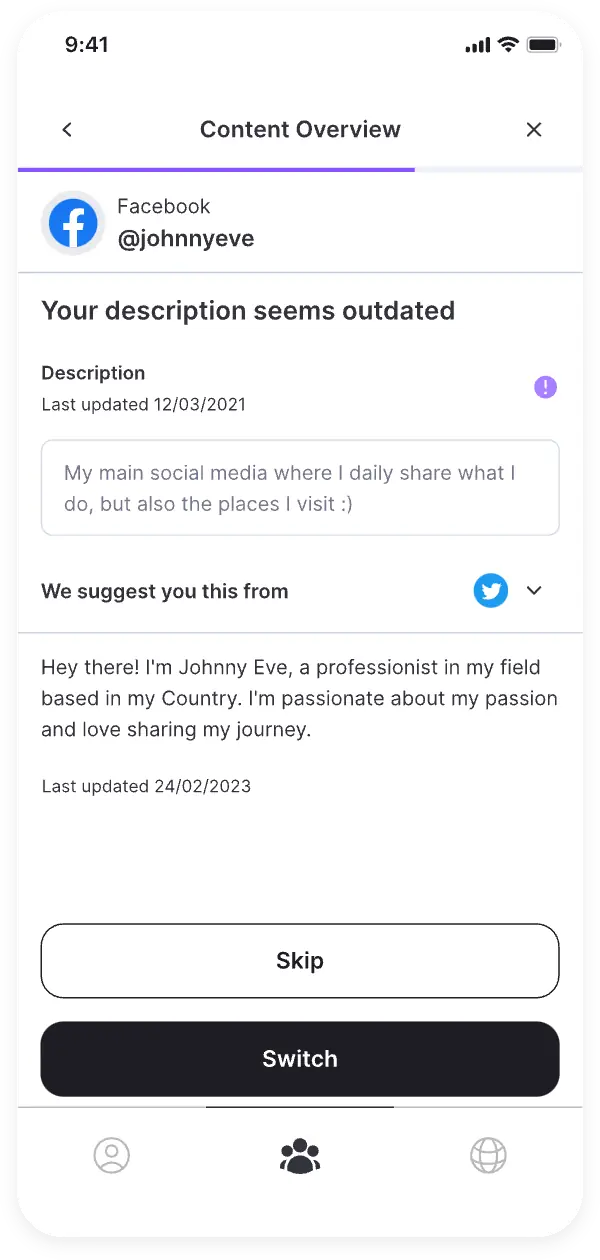
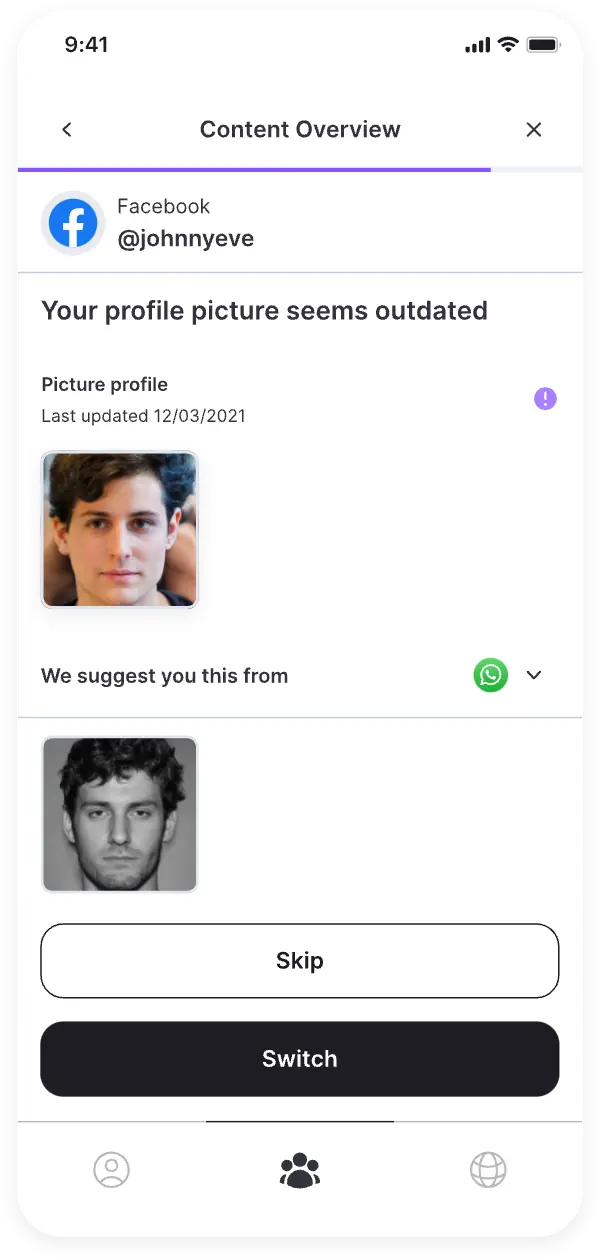
Users appreciated the simple and honest approach to reviewing central content. They found it helpful and promising for future developments.
Interaction with others
Users appreciated the profile overview and saw an opportunity to strengthen connections from real life. They were concerned about the visualisation of locked environments and suggested revising it to avoid discrimination.
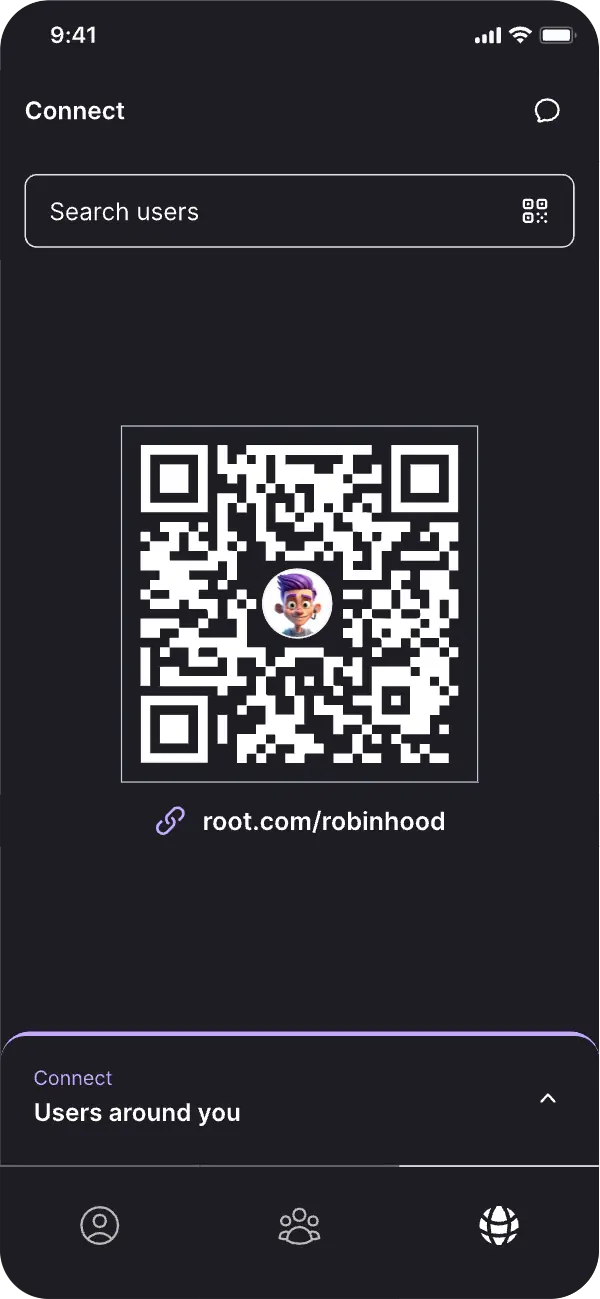
They also saw potential for the service to support new connections and suggested adding a QR code or scanning feature.
There is a need to foster positive psychological connections and to promote long-term well-being.
Chat
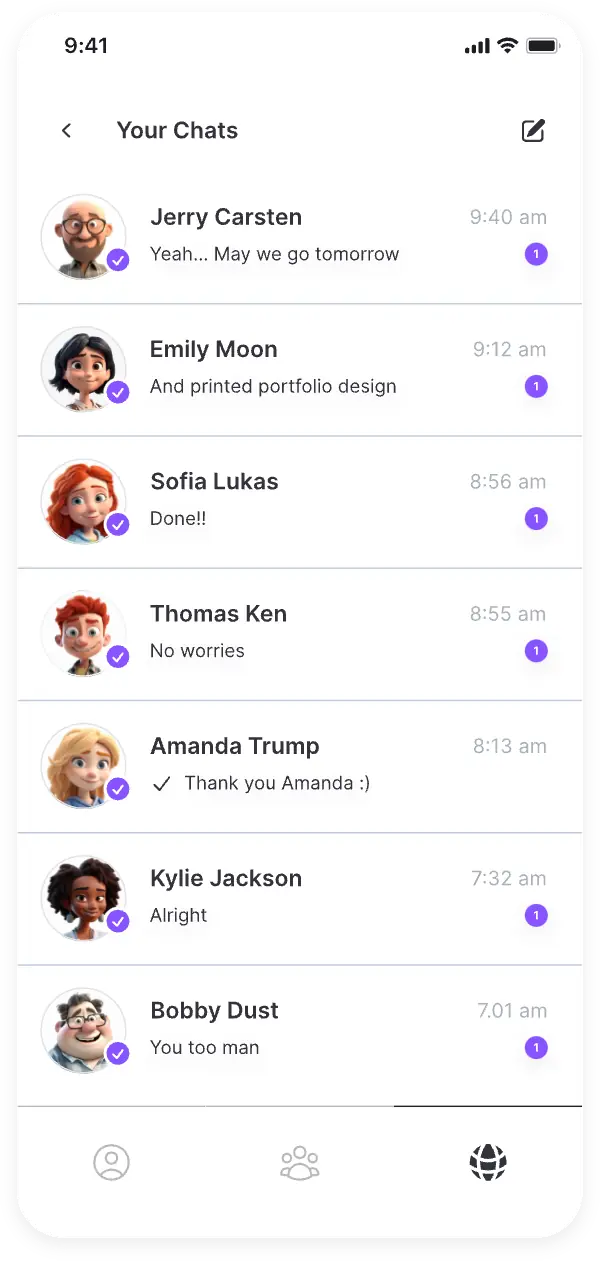
Users wanted a more complete and rich interactive experience with others, leading to the review and empowerment of the main tab previously related to instant messaging.
- Exclusive feature for verified IDs
- Possibility to see the other's pronouns
Concept Validation
Feedback showed that users valued greater control over their digital footprint and a safer way to navigate online environments.
Users compared it favourably to other services, including LinkTree, and praised its carefulness regarding sensitive topics.
Sustainability and Ethics
Gender inclusivity is essential — labelling can limit self-expression. Avatars promote inclusivity and avoid competition over physical appearance. Avatars can facilitate the consolidation of gender identity. (Freeman & Maloney, 2021; Messinger et al., 2018; Morgan et al., 2020)
Promoting healthier and more conscious use of virtual environments can reduce energy consumption. The app is designed not to be used massively, making the management of virtual platforms lighter and healthier.
Future Developments
- The reliability of findings should be verified with more exhaustive studies
- Quantitative data collected needs to be more statistically reliable
- Translate the concept into a high-fidelity prototype and test it across a wider range
- Accessibility guidelines need to be tested and developed
- Develop functionalities for younger people to help them gain awareness of their digital footprint
- Consider the opportunities of after-life digital-self management
Next project
Polimi App Redesign
Product Designer